February 10, 2026
Cabinet Materials Explained: Wood Types, Finishes, and Durability
Cabinet materials explained in detail, from solid wood and engineered options to finishes and durability. Learn how to choose quality cabinetry built for long-term performance and style.
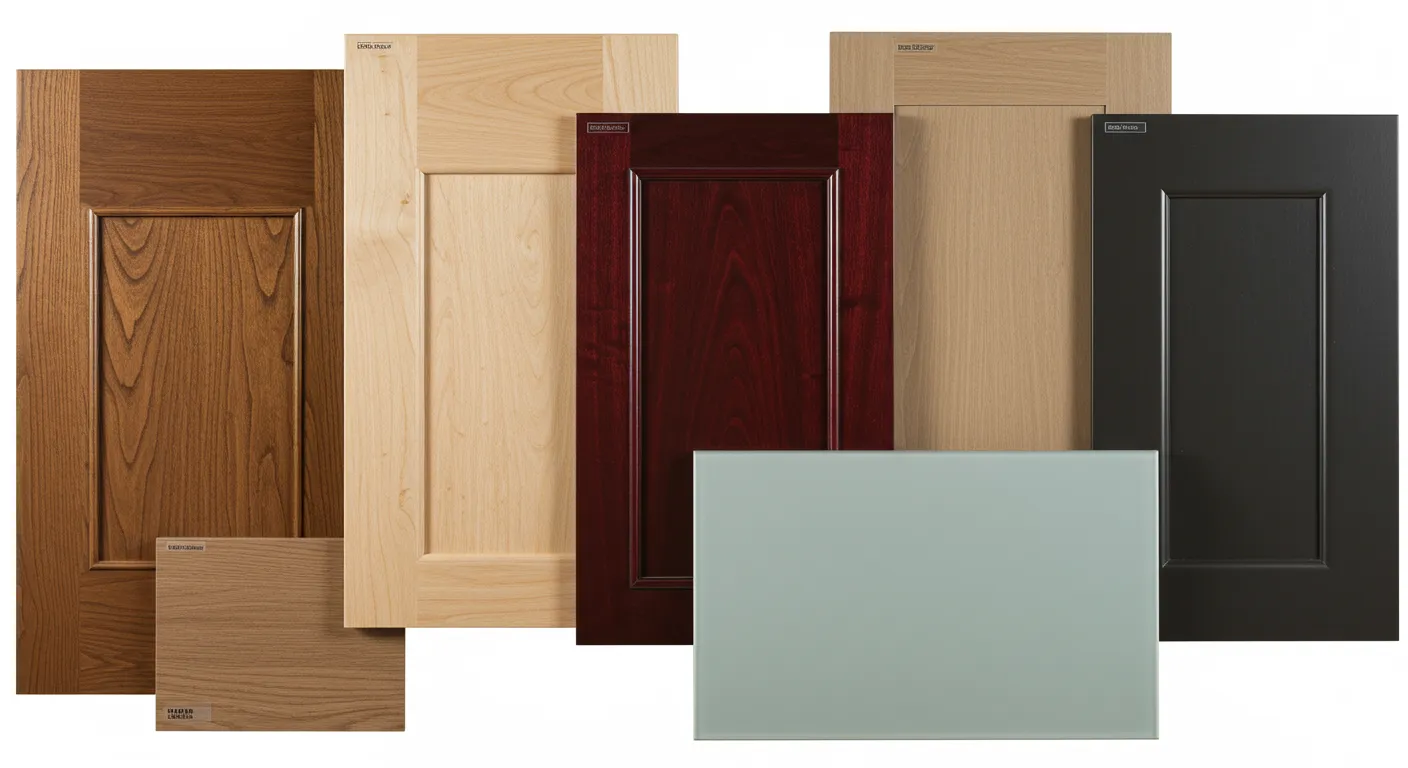
Choosing the right materials for your cabinetry is one of the most important decisions you will make during a kitchen or bathroom remodel. Cabinet materials affect appearance, longevity, performance in humid environments, and how easily the cabinetry can be refinished in the future. Understanding the differences between wood species, engineered options, and finish types empowers you to make an informed decision that fits your design goals and lifestyle.
The Mastery Cabinetry team believe high-quality cabinetry starts with superior materials and finishes. Review this guide to popular wood options, engineered materials, common finishes, and durability factors so you can confidently select the best cabinetry solutions for your home.
Solid Wood Cabinet Materials
Solid wood remains the most traditional cabinet material, prized for its natural beauty, strength, and ability to age gracefully. Different species provide unique grain patterns, colors, and performance characteristics.
Oak
Oak is a classic cabinetry wood known for its strength, pronounced grain, and durability. Both red oak and white oak are popular choices; red oak has warm undertones with a bold grain, while white oak offers a slightly more subdued pattern and excellent moisture resistance. Oak takes stain well, making it versatile for many design styles.
Maple
Maple is a dense hardwood with a fine, uniform grain that creates a smooth surface for both stained and painted finishes. Because of its hardness and minimal grain pattern, maple resists dents and withstands daily use in high-traffic kitchens. This makes it a versatile choice that works equally well in modern and transitional designs.
Cherry
Cherry wood is revered for its rich, warm tones and distinctive smooth grain. Its color deepens with age and exposure to light, evolving into a richer, more luxurious hue over time. Cherry cabinets lend a sophisticated feel to traditional or custom interiors.
Hickory
Hickory is one of the hardest domestic hardwoods available, featuring dramatic grain patterns and color variation from light cream to medium brown. Its striking appearance suits rustic and farmhouse styles, and its sturdiness ensures longevity in heavy-use areas.
Walnut
Walnut is a premium hardwood with rich, dark brown tones and elegant grain. It offers a blend of beauty and strength, making it ideal for high-end cabinetry. Although more costly, walnut cabinets are a long-lasting investment that adds timeless sophistication to any space.
Alder and Birch
Alder has a warm, subtle color and smooth grain that works well with stains or distressed finishes, making it a favorite for rustic or country styles. Birch is an affordable hardwood option with a fine, even grain that takes stain and paint well, although it may require careful finishing to avoid uneven coloring.
Engineered Wood and Core Materials
In addition to solid hardwoods, many high-quality cabinet makers use engineered wood products for specific components, especially cabinet boxes and painted surfaces. These materials balance cost, stability, and finish flexibility.
Plywood
Plywood consists of multiple layers of wood veneer glued together, which gives it excellent strength and resistance to warping. For the structural components of cabinets, such as boxes and shelving, plywood is often preferred over solid wood because it resists moisture and movement better than many alternatives.
Medium-Density Fiberboard (MDF)
MDF is made by compressing wood fibers with resin under high pressure, resulting in a smooth and uniform material that is ideal for painted doors and decorative panels. While it is not as strong as plywood, MDF’s consistent surface makes it a popular choice for contemporary cabinets with clean, smooth finishes.
Particleboard and Other Core Materials
Particleboard, made from wood chips and resin, is a cost-effective material usually found in budget cabinetry. While less durable than plywood or MDF, particleboard can be used effectively when paired with durable veneers or laminate finishes. However, it is more prone to sagging and moisture damage compared to higher-grade materials.
Cabinet Finishes and Their Role in Durability
The finish on a cabinet is more than just appearance; it affects how well the cabinetry holds up to moisture, heat, and daily use. Your choice of finish can influence maintenance needs, color longevity, and resistance to wear.
Stained Wood Finishes
Stains penetrate the wood’s surface and highlight its natural grain. This finish is ideal for hardwoods like oak, cherry, or walnut, where the wood’s character can shine through. Stains vary in darkness and tone, allowing you to customize how much of the natural beauty is showcased. Regular sealing and care help maintain the wood’s luster.
Painted Finishes
Painted finishes offer unlimited color options and a smooth, opaque surface that works well in traditional or contemporary spaces. MDF or painted hardwoods like maple or poplar are commonly used for this finish because they provide a consistent surface that resists visible grain. Painted finishes require care to avoid scratches but can be refreshed with repainting over time.
Natural and Clear Finishes
A natural finish preserves the wood’s original color and grain pattern, creating a timeless and warm look. Clear finishes such as lacquer or waterborne coatings offer protective layers that resist moisture and stains, enhancing the wood’s durability while maintaining its natural charm.
Specialty Finishes
Specialty techniques such as glazing, distressing, or two-tone finishes add depth and character to cabinetry. Glazing applies a translucent coat over a base color to accentuate details, while distressing gives a textured, aged appearance. Two-tone finishes use contrasting colors on upper and lower cabinets for visual interest.
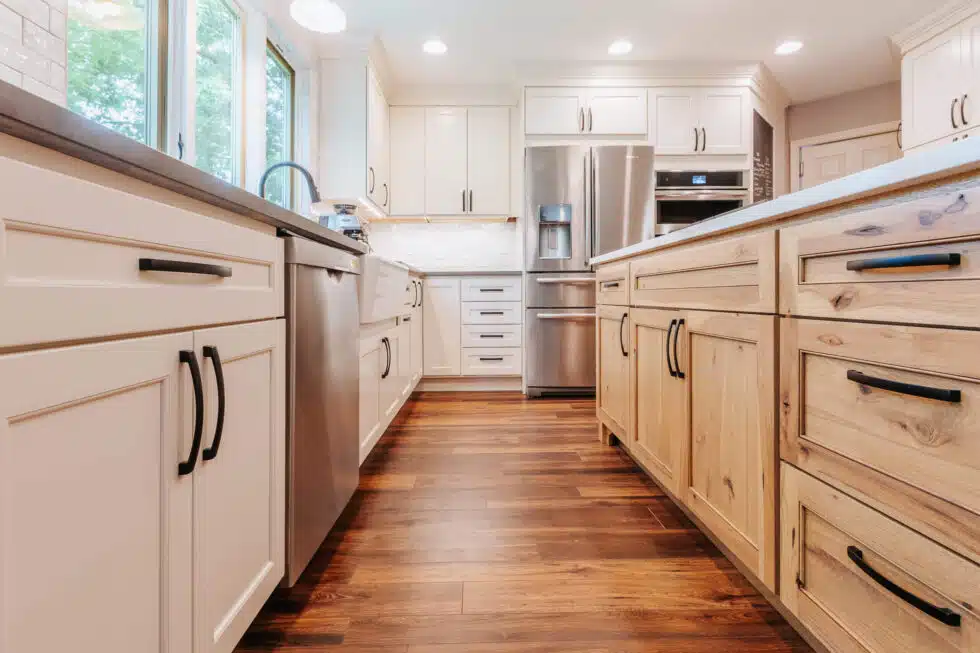
Durability Considerations for Cabinet Materials
Understanding durability is essential when selecting cabinetry materials and finishes because it directly impacts performance in everyday use.
Wood Hardness and Wear Resistance
The Janka hardness scale measures a wood species’ resistance to denting and wear. Hardwoods like maple and hickory rank high on the scale, providing strong resistance to impacts and scratches, which is beneficial in busy kitchens. Softer woods like alder or pine may be more prone to dings but can offer desirable aesthetics for certain design styles.
Moisture Exposure and Stability
Kitchens and bathrooms expose cabinets to humidity, steam, and occasional spills. Plywood is more stable and moisture-resistant than particleboard or MDF, making it a superior choice for cabinet boxes in these environments. When paired with properly finished doors, this combination enhances overall cabinet longevity.
Finish Protection
The right finish adds a protective barrier that helps cabinets resist heat, moisture, and cleaning products. Natural and clear finishes help wood age gracefully, while painted finishes create a surface that can be easily cleaned. Regular upkeep, such as gentle cleaning and avoiding abrasive chemicals, extends the life of both the finish and the cabinet material.
Balancing Aesthetic and Functional Goals
When selecting cabinet materials, homeowners and designers often balance aesthetics with practicality.
Hardwoods like cherry and walnut offer rich, luxurious finishes that elevate traditional or high-end designs. They age beautifully and develop deeper tones over time. Maple and oak are versatile choices that suit a wide range of styles, from modern to rustic, while offering strong durability suited for everyday use. Engineered materials like plywood and MDF perform well in structural roles and modern painted finishes. Environmental conditions, like humidity and frequent use in kitchens, should also guide material selection to ensure long-lasting performance.
In custom cabinetry, blending materials is common. For example, a hardwood door might be paired with a plywood box to maximize both visual appeal and structural strength. This approach results in cabinets that look stunning and stand the test of time.
Making the Right Choice for Your Home
Choosing cabinet materials involves more than picking a wood species or finish. It means considering how your family uses the space, how much maintenance you are willing to perform, and how your design style will evolve over time. Durable materials paired with quality finishes ensure your cabinetry remains beautiful and functional for years.
At Mastery Cabinetry, we help homeowners explore material options and finishes that align with their design vision and practical needs. Our material specialists guide you through choices that balance beauty, strength, and long-term value.
Plan. Build. Enjoy.
Request your personalized cabinet quote and see how Mastery Cabinetry transforms your space.
Get My Free QuoteConclusion
Whether you prefer the natural character of solid hardwoods, the stability of engineered materials, or the custom expression of specialty finishes, understanding your options empowers you to choose cabinetry that enhances your home and stands up to daily life. Wood type, finish selection, and structural materials all contribute to the final performance and look of your cabinets.
Ready to Explore the Best Materials for Your Cabinetry Project?
Request a free consultation with an expert at Mastery Cabinetry. Let us help you build cabinets that are beautiful, durable, and perfectly suited to your lifestyle.
Further Reading:
- Stylish Kitchen Cabinet Ideas to Transform Your Space
- Kitchen Remodel Cost Orlando | 2025 Pricing Guide
- How Much Does a Kitchen Remodel Really Cost in Orlando, Florida?
- Top Kitchen Remodeling Services in Orlando, FL: Find the Right Contractor