
September 11, 2026
Walk-In Pantry or Built-In Pantry? Choosing the Right Solution
Choosing between a walk-in pantry and a built-in pantry depends on your kitchen layout, available space, storage needs, and daily habits. Compare the advantages of both options to determine which pantry solution works best for your home.
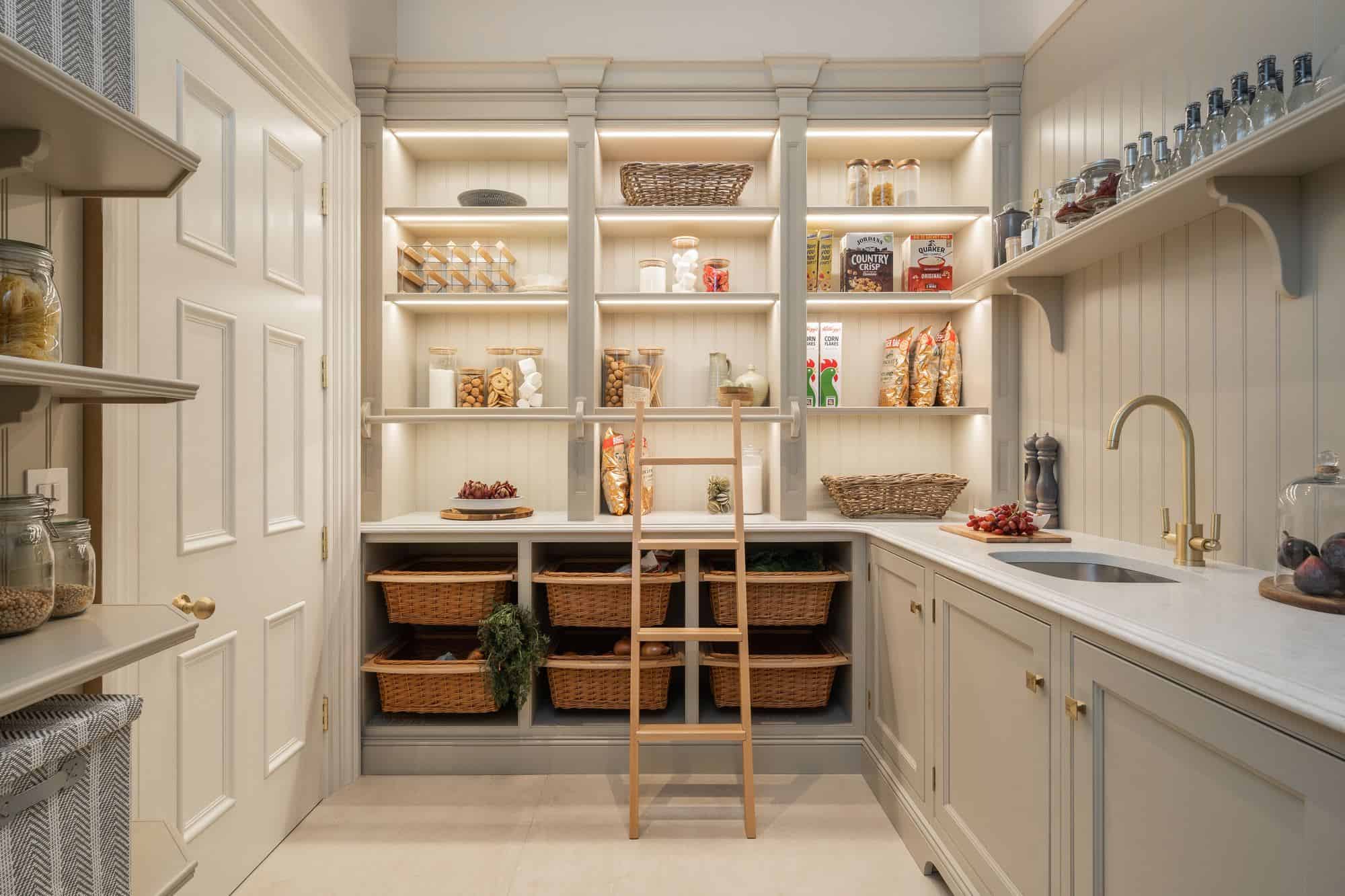
A well-designed pantry can make a major difference in how a kitchen functions. Instead of spreading dry goods, snacks, baking ingredients, small appliances, serving pieces, and household supplies across multiple cabinets, a dedicated pantry creates one organized storage zone where everything is easier to see, access, and maintain. For many homeowners, the main question is whether that storage should take the form of a walk-in pantry or a built-in pantry.
Both options can work extremely well, but they use space in different ways and suit different types of kitchens. A walk-in pantry creates a separate storage area with shelving, cabinetry, or both, while a built-in pantry integrates directly into the kitchen and keeps everyday ingredients close to the main work zones. The right choice depends on available space, household size, shopping habits, cooking routines, appliance storage, and the way the rest of the kitchen is planned.
A larger pantry is not automatically a better pantry. In many homes, a carefully designed built-in solution can be more practical than a separate room, while in others, a walk-in pantry provides the extra capacity needed for bulk groceries, appliances, beverages, and entertaining supplies. The goal is to choose the option that makes the kitchen easier to use rather than simply adding more square footage.
What Is a Walk-In Pantry?
A walk-in pantry is a separate storage area large enough for a person to enter. It is usually located directly beside the kitchen and may include open shelving, cabinetry, drawers, baskets, or a combination of different storage systems. Because shelving can extend along several walls, a walk-in pantry can hold a substantial amount of food and kitchen equipment without taking over the main cabinetry.
This type of pantry works particularly well for larger households, homeowners who shop in bulk, or anyone who wants to reduce visible clutter in the kitchen. Instead of keeping appliances, extra drinks, and less frequently used supplies on countertops or inside prime cabinets, those items can move into a dedicated storage area while remaining relatively easy to access.
A walk-in pantry can be especially useful for storing:
- Dry goods and canned food
- Bulk grocery purchases
- Baking supplies
- Beverages
- Small appliances
- Serving dishes
- Paper products
- Less frequently used cookware
The main limitation is floor space. A walk-in pantry needs enough room not only for shelves but also for circulation, which means some of the footprint is used simply to allow a person to enter, turn, and reach different storage areas comfortably.
What Is a Built-In Pantry?
A built-in pantry is incorporated directly into the kitchen cabinetry and usually takes the form of tall floor-to-ceiling cabinets fitted with shelves, drawers, pull-outs, or specialized organizers. Because it remains part of the main kitchen layout, this type of pantry keeps food and supplies close to the preparation and cooking areas while maintaining a clean, cohesive appearance.
Built-in pantries are especially effective in smaller and medium-sized kitchens where there is not enough room for a separate pantry room. Tall cabinetry uses vertical space efficiently, and custom interiors can help make the full cabinet depth practical rather than allowing items to become lost at the back.
Common built-in pantry features may include:
- Adjustable shelving
- Deep drawers
- Full-extension pull-outs
- Interior baskets
- Door-mounted storage
- Vertical dividers
- Integrated lighting
- Specialized pantry organizers
Custom cabinetry makes this approach particularly flexible because the interior can be planned around the household’s actual needs. Instead of relying on standard shelves, homeowners can create dedicated areas for snacks, canned goods, baking supplies, appliances, or everyday ingredients, making the pantry easier to organize and maintain.
Which Pantry Offers More Storage?
A walk-in pantry usually offers more total storage because it can use several walls and accommodate larger items. However, total size does not always determine how useful the pantry will be. A poorly planned walk-in pantry can waste valuable space if shelves are too deep, products become hidden behind one another, or too much floor area is reserved for circulation.
The National Kitchen & Bath Association emphasizes planning kitchen storage around accessibility and everyday use rather than focusing only on total cabinet volume. Explore the NKBA Kitchen Planning Guidelines
A built-in pantry may contain less overall storage, but it often uses space more efficiently. Because the user stands outside the cabinet, nearly the entire footprint can be dedicated to shelves, drawers, and pull-outs. Floor-to-ceiling cabinetry also takes advantage of vertical space without requiring a separate room.
Think About Usable Space, Not Just Size
A walk-in pantry needs an aisle so that a person can enter and move comfortably between shelves. That circulation area is necessary, but it does not store anything. In a compact home, this can make a separate pantry relatively expensive in terms of square footage.
Built-in cabinetry works differently. A tall pantry can occupy a relatively narrow section of wall while still offering substantial capacity, especially when the interior includes adjustable shelves, drawers, and full-extension pull-outs. For smaller kitchens, this efficient use of space can make a built-in pantry the more practical option.
Which Pantry Is More Convenient?
Convenience depends largely on where the pantry is positioned and how often the stored items are used. Built-in pantries are usually located directly within the kitchen, which means everyday ingredients such as pasta, flour, oils, snacks, and canned goods remain only a few steps away from the main preparation area.
A walk-in pantry may require slightly more movement, particularly if it is located through a doorway or around a corner. On the other hand, open shelving can provide a clearer overview of groceries and make it easier to see what is available at a glance.
For many households, the most efficient approach is to organize storage according to frequency of use. Everyday ingredients should stay close to the cooking and preparation zones, while bulk goods, extra beverages, seasonal supplies, and rarely used appliances can be stored farther away.
This is also why some kitchens benefit from combining both solutions. A built-in pantry can handle daily essentials, while a walk-in pantry provides overflow storage for items that do not need to be immediately accessible.
How to Organize a Walk-In Pantry
Good organization is especially important in a walk-in pantry because larger storage areas can become cluttered quickly. One of the most common mistakes is installing deep shelves everywhere because they appear to provide more storage. In practice, very deep shelves often make smaller items difficult to see, and products can easily disappear behind one another.
A better approach is to use different shelf depths for different categories. Shallower shelving works well for cans, jars, and boxed goods, while deeper shelves can be reserved for appliances, bulk packages, beverages, and large storage containers. This keeps everyday items visible without sacrificing space for oversized products.
Simple storage zones can also make the pantry easier to maintain, for example:
- Everyday ingredients
- Breakfast foods
- Snacks
- Baking supplies
- Beverages
- Small appliances
- Entertaining supplies
Grouping similar products together helps homeowners see what they already have, reduces unnecessary searching, and makes it easier to return items to the correct place after grocery shopping.
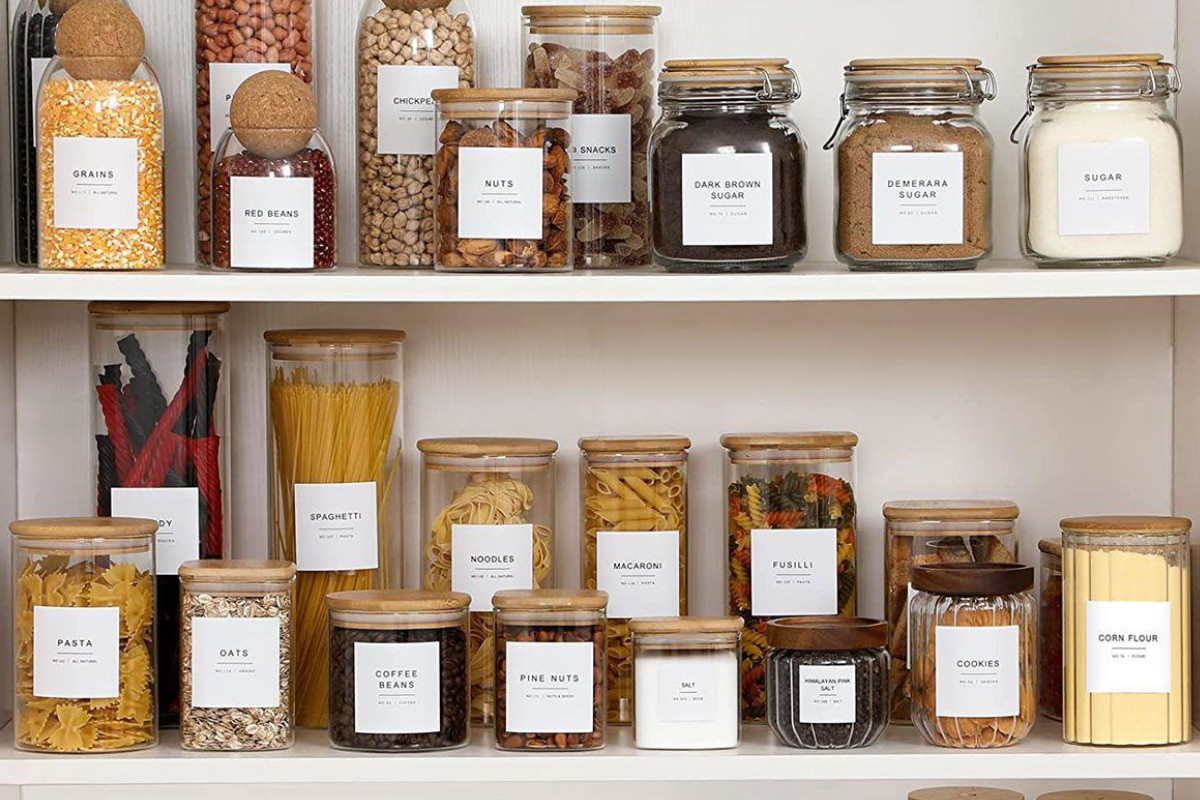
How to Organize a Built-In Pantry
Built-in pantries offer more opportunities for specialized storage because the cabinet interior can be divided into drawers, shelves, and pull-outs. Full-extension drawers are particularly useful because they bring the entire contents toward the user instead of forcing someone to reach into the back of a deep cabinet.
Pull-out systems can also make narrow pantry cabinets surprisingly efficient. Manufacturers such as Rev-A-Shelf offer pantry organizers designed to improve access within tall and deep cabinetry. Explore pantry storage solutions from Rev-A-Shelf
A custom pantry can combine several types of storage in one cabinet. Snacks might be kept in drawers, dry goods on adjustable shelves, canned foods in pull-outs, while deeper sections can be reserved for small appliances. This type of organization gives each category a clear place and helps prevent the pantry from becoming overcrowded.
Which Option Looks Better?
From a design perspective, built-in pantries usually integrate more naturally with the kitchen because the cabinet doors and finishes can match the surrounding cabinetry. A floor-to-ceiling pantry wall can create a clean architectural appearance while also providing substantial hidden storage.
This approach works particularly well in contemporary and transitional kitchens where homeowners want the cabinetry to feel continuous throughout the room. Tall pantry cabinets can also be grouped with refrigerators, wall ovens, or appliance storage to create a cohesive wall rather than several unrelated elements.
A walk-in pantry is more visually separate. When the door is closed, the storage area can disappear completely, which allows homeowners to keep bulk food, appliances, and supplies out of view. The pantry entrance itself can also become part of the design through a pocket door, glass door, concealed cabinetry door, or traditional interior door.
Both options can look polished when they are planned as part of the kitchen rather than added as an afterthought.
What About Small Appliance Storage?
Small appliance storage is another factor that can influence the decision. Walk-in pantries can be especially useful for homeowners who own mixers, blenders, air fryers, coffee machines, slow cookers, and other equipment that would otherwise take up valuable counter space.
If the pantry is large enough, deeper shelving or even a dedicated countertop can provide a convenient appliance zone outside the main kitchen. Built-in pantries can also conceal appliances effectively through deep cabinets, pull-out shelves, appliance garages, and lift-up doors.
The better solution depends on how frequently those appliances are used. Equipment used every morning should generally stay close to the main kitchen, while occasional appliances can comfortably live in a walk-in pantry without affecting everyday workflow.
When a Walk-In Pantry Makes Sense
A walk-in pantry is usually a strong option when the home has enough floor space to support it without making the kitchen itself smaller or less functional. It works particularly well for larger households, homeowners who purchase groceries in bulk, or anyone who needs substantial overflow storage.
It may be especially useful when the household regularly stores:
- Large quantities of groceries
- Bulk beverages
- Serving pieces
- Seasonal tableware
- Small appliances
- Paper products
- Extra kitchen supplies
The key is making sure the pantry adds practical storage rather than simply creating another room. If the pantry is poorly positioned or requires too much valuable floor space, that same square footage may be more useful as additional cabinetry, countertop space, or a larger kitchen island.
When a Built-In Pantry Is Better
A built-in pantry often makes more sense when space is limited or when homeowners want everyday ingredients immediately accessible from the main kitchen. It is especially effective when the kitchen has enough wall space for tall cabinetry but not enough floor area for a separate pantry room.
A built-in pantry may be the better choice when:
- Floor space is limited
- Easy everyday access is important
- A streamlined appearance is preferred
- Tall cabinetry can be incorporated
- Custom organization is a priority
- A separate pantry would disrupt the floor plan
Even a relatively narrow pantry cabinet can hold a surprising amount when it includes adjustable shelving, deep drawers, and pull-out organizers designed around the items stored inside.
Plan. Build. Enjoy.
Request your personalized cabinet quote and see how Mastery Cabinetry transforms your space.
Get My Free QuoteCan You Combine Both Options?
For larger kitchens, the best solution may be to use both. A built-in pantry near the cooking area can hold everyday ingredients, snacks, oils, and frequently used supplies, while a walk-in pantry stores bulk groceries, beverages, appliances, and entertaining pieces.
This creates a practical balance between convenience and capacity. Frequently used items remain close to the main work zones, while less frequently used items move into secondary storage without taking up valuable cabinetry.
Using both types of pantry storage can also prevent one area from becoming overloaded. Instead of forcing every category into a single pantry, each space can be assigned a clear purpose based on how often the items are used.
Choosing the Right Pantry for Your Kitchen
The decision between a walk-in pantry and a built-in pantry should begin with the available space and the way the household actually uses the kitchen. A walk-in pantry offers greater overall capacity, but it requires more floor space. A built-in pantry uses space more efficiently and keeps everyday items close, but it may not provide enough storage for households that buy in bulk or own many appliances.
Before making a decision, consider:
- Available floor and wall space
- Household size
- Grocery shopping habits
- Cooking frequency
- Small appliance storage
- Entertaining habits
- Existing kitchen cabinetry
Looking at these factors together usually makes the right choice much clearer. The goal is not simply to add as much storage as possible, but to create a pantry that supports the kitchen workflow and makes everyday routines easier.
Custom cabinetry can improve either option through floor-to-ceiling storage, adjustable shelves, full-extension drawers, pull-outs, and organizers designed around the homeowner’s specific needs.
Create Pantry Storage That Works Better
Both walk-in and built-in pantries can dramatically improve kitchen organization when they are planned carefully. A walk-in pantry provides generous capacity for groceries, appliances, bulk products, and serving pieces, while a built-in pantry provides efficient storage directly within the kitchen and keeps everyday essentials close to the main workspace.
The right solution is not necessarily the larger one. It is the pantry that uses the available space intelligently and supports the way the household cooks, shops, and lives.
At Mastery Cabinetry, we design custom cabinetry and pantry solutions around each homeowner’s kitchen, lifestyle, and storage priorities. Whether your project includes a walk-in pantry, floor-to-ceiling built-in storage, or a combination of both, thoughtful planning can help you make better use of every available inch.
Request a free consultation today and discover how Mastery Cabinetry can create pantry storage designed specifically for your kitchen.
Further Reading:

