May 14, 2026
Handleless Cabinet Options: Should You Choose Push-to-Open or Integrated Handles?
Comparing modern handleless cabinet options? Discover the pros, cons, and best uses for push-to-open systems and integrated handles.
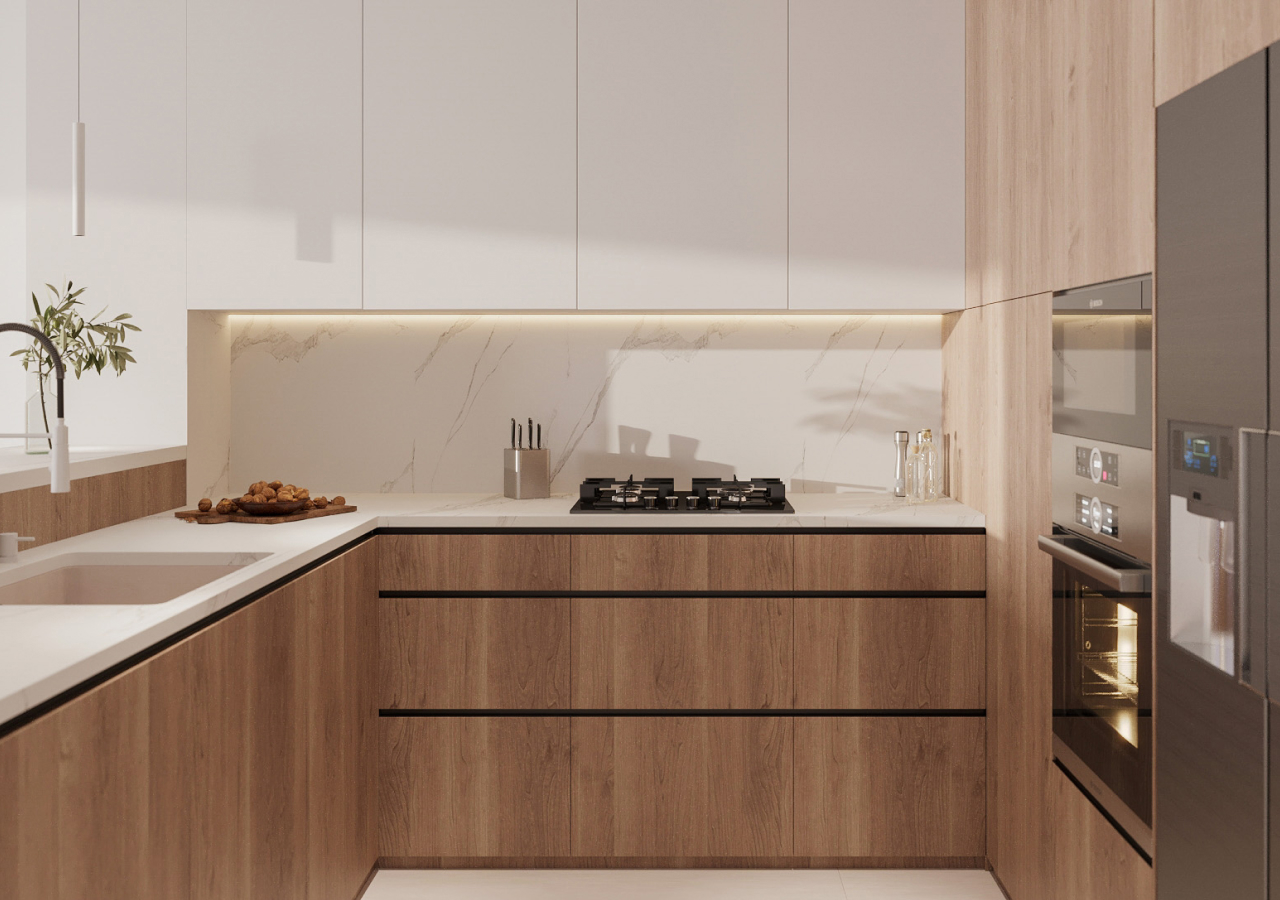
Handleless cabinetry has become a defining feature of modern kitchen design. Clean lines, uninterrupted surfaces, and a minimalist aesthetic make it an appealing choice for homeowners who want a sleek, contemporary space.But once you decide to explore handleless cabinet options, another important question follows: Should you choose push-to-open cabinets or integrated handles?
While both options deliver a streamlined look, they function very differently in daily use. Understanding how each system works, along with its strengths and trade-offs, will help you make the right decision for your kitchen and lifestyle.
What Are Handleless Cabinet Options?
Handleless cabinets eliminate traditional knobs and pulls in favor of concealed opening systems. These can include push-to-open mechanisms, recessed channels, or integrated finger pulls built directly into the cabinet design.
The appeal is both aesthetic and practical. Without protruding hardware, cabinets create a smooth, continuous surface that enhances modern design while also improving safety and ease of cleaning.
However, “handleless” does not mean “one-size-fits-all.” The two most popular approaches, push-to-open and integrated handles, offer distinct user experiences.
Handleless Cabinet Options: How Push-to-Open Cabinets Work
Push-to-open cabinets rely on an internal mechanism, typically spring-loaded or magnetic, that releases the door when pressure is applied. A simple push causes the door or drawer to pop open slightly so you can pull it fully open.
These systems are the purest form of handleless design because they eliminate any visible grip point.
Advantages of Push-to-Open Cabinets
The biggest advantage is aesthetics. Push-to-open cabinets create an ultra-minimalist look with completely flat surfaces and no visible interruptions.
They are also highly space-efficient. Without handles extending outward, they reduce the risk of bumping into hardware and allow for tighter layouts in smaller kitchens.
Another benefit is hands-free convenience in certain situations. When your hands are full, you can open cabinets with a gentle push using your elbow or hip, which can be especially useful while cooking.
Drawbacks of Push-to-Open Cabinets
Despite their sleek appearance, push-to-open systems come with practical challenges.
First, they tend to show fingerprints and smudges more easily because you are constantly touching the cabinet surface.
Second, the hardware requires precise installation and occasional maintenance. Over time, mechanisms can lose alignment or wear out, affecting performance.
There is also a usability consideration. Push-to-open can be less intuitive for heavy drawers or large pantry doors, where a firm grip often provides better control.
Finally, accidental openings can occur if cabinets are bumped, especially in high-traffic kitchens. While modern systems have improved, it is still something to consider in busy households.
How Integrated Handle Cabinets Work
Integrated handle cabinets incorporate a built-in grip, such as a recessed channel, J-pull edge, or rail system, directly into the cabinet door or drawer.
Instead of pushing the surface, you slide your fingers into the groove or along the edge to pull the cabinet open.
Advantages of Integrated Handles
Integrated handles strike a balance between minimalism and functionality.
They maintain a clean, modern look while still offering a clear and reliable way to open cabinets. Because you are pulling rather than pushing, they provide better control, especially for heavier drawers or frequently used storage areas.
They also tend to be more durable over time. Without complex internal mechanisms, there is less risk of mechanical failure or misalignment.
Another advantage is reduced surface contact. Since you are using a designated grip area, cabinet fronts stay cleaner compared to push-to-open systems.
Drawbacks of Integrated Handles
While subtle, integrated handles are still visible. They may not achieve the completely seamless look that push-to-open systems offer.
Additionally, the grooves or channels can collect dust and debris, requiring occasional cleaning.
Ergonomics can vary depending on the design. Some recessed handles require a fingertip grip, which may feel less comfortable for some users over time.
Plan. Build. Enjoy.
Request your personalized cabinet quote and see how Mastery Cabinetry transforms your space.
Get My Free QuotePush-to-Open vs. Integrated Handles: Key Differences
When comparing these two options, the decision ultimately comes down to how you prioritize aesthetics versus everyday usability.
Push-to-open cabinets deliver the most minimal appearance possible. They are ideal for design-forward spaces where visual simplicity is the top priority.
Integrated handles, on the other hand, provide a more practical and user-friendly experience. They offer consistency, reliability, and ease of use, especially in high-traffic kitchens.
In many modern kitchen designs, homeowners and designers combine both systems. For example, push-to-open may be used on upper cabinets or rarely accessed storage, while integrated handles are used for base cabinets and drawers that see frequent use.
Design Considerations for Your Kitchen
Before choosing between push-to-open and integrated handles, consider how your kitchen will actually be used.
If you prioritize a clean, architectural look and have a relatively low-traffic kitchen, push-to-open may be the right choice.
If functionality, durability, and ease of use are more important, integrated handles are often the better option.
You should also think about your cabinet finishes. Matte and textured surfaces tend to hide fingerprints better than high-gloss finishes, which can influence how well push-to-open systems perform visually.
Finally, consider who will be using the kitchen. Families with children or households that cook frequently may benefit from the reliability and ergonomics of integrated handles.
Which Option Is Right for You?
There is no universally “better” choice between push-to-open and integrated handles. Each system offers unique advantages, and the best solution depends on your priorities.
Choose push-to-open if:
- You want a fully seamless, ultra-modern look
- You are designing a minimalist or open-concept space
- You are comfortable with occasional maintenance
Choose integrated handles if:
- You want a balance of style and practicality
- You prioritize ease of use and durability
- You have a busy kitchen with frequent daily use
For many homeowners, the ideal solution is a hybrid approach that uses each system where it performs best.
Build Your Dream Kitchen
Handleless cabinetry is more than a design trend. It is a functional choice that shapes how your kitchen looks and feels every day. Whether you choose push-to-open or integrated handles, the key is selecting a system that aligns with your lifestyle, cooking habits, and design goals.
At Mastery Cabinetry, we help homeowners design kitchens that are not only beautiful but built for real life. From modern handleless designs to fully customized cabinetry solutions, our team can guide you through every decision.
Ready to explore the best handleless cabinet options for your kitchen? Request your free consultation today.
Further Reading: